giftcardmall & MyGift Help — Check Your Balance, Activate a Card & Stay Safe
Searching for MyGift help usually means one thing: you need to check a balance, activate a card, or fix a declined payment — fast. This independent, plain-English guide walks you through each step, explains your CARD Act rights, and helps you avoid scams and look-alike sites. No selling. No hype. Just information.
How to Activate a Gift Card & Check Your Balance & visa
Two of the most common giftcardmall questions are answered here in plain English. This site is editorial only — we don't activate or load cards, so always follow the instructions printed on your specific card.
-
Activating a Gift Card
- Most store (closed-loop) cards are activated automatically by the cashier at purchase.
- Prepaid open-loop cards often need activation — follow the link or call the number on the back.
- Online and e-gift cards are usually ready to use once the confirmation email arrives.
- Keep your receipt: it is proof of activation and the loaded value.
-
Checking Your Balance
- Enter the card number and PIN on the issuer's official balance-check website.
- Call the toll-free number printed on the back of the card.
- Ask at the register of the store that issued the card.
- Keep the card until the balance reaches zero — it may be needed for returns.
-
Card Declined? Common Fixes
- Confirm the balance covers the whole order — including tax and shipping.
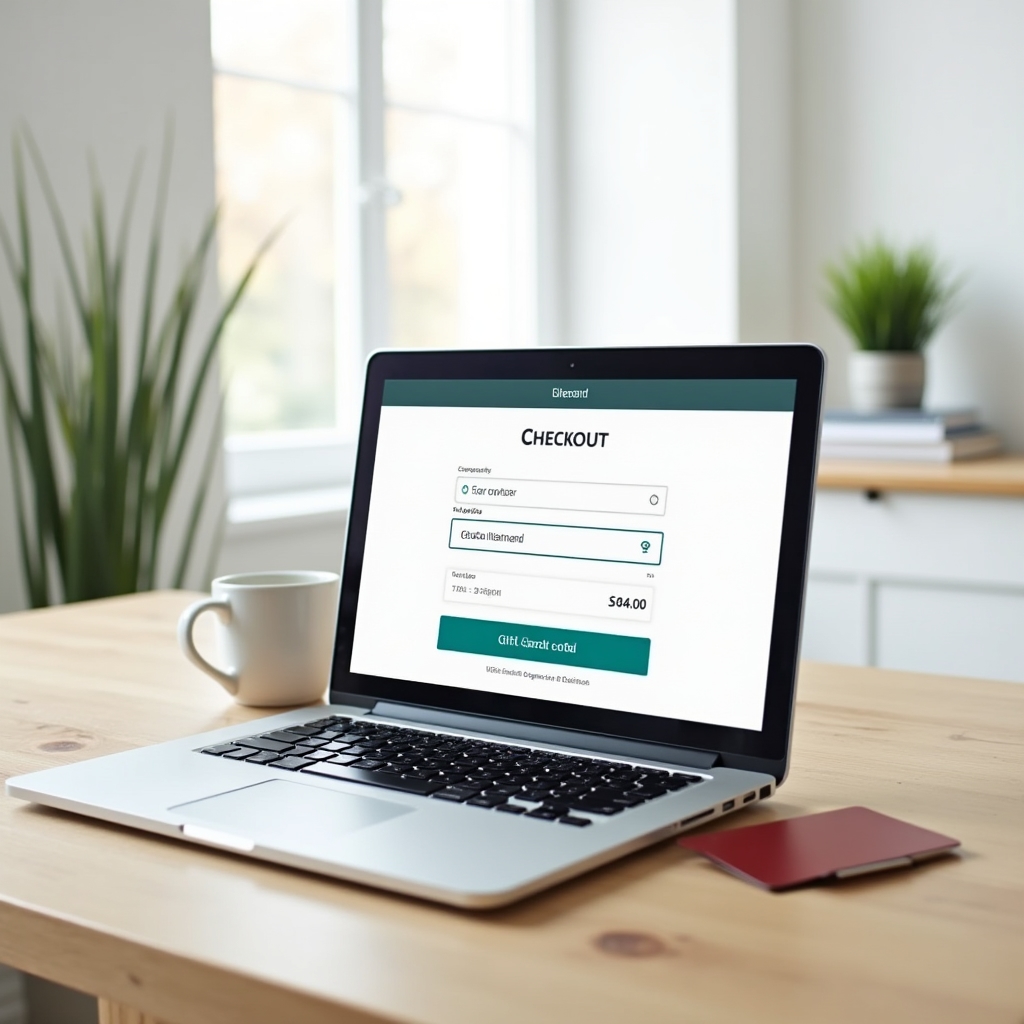
- At online checkout, enter the billing ZIP code registered to the card (a ZIP/AVS mismatch is a frequent decline).
- Watch for temporary authorization holds from gas stations, hotels, or restaurants.
- Some merchants block prepaid or gift cards — try another retailer or split the payment.
When Balance Checks, Activation, or Online Payment Fails
These are the checks readers usually need before contacting an issuer or retailer. They focus on the common failure points that cause declined cards, missing balances, and confusing checkout messages.
-
Balance Page Won't Load
Confirm the web address printed on the back of the card, avoid sponsored look-alike results, try a private browser window, and compare the phone number on the card before entering a card number or PIN.
-
ZIP Code or AVS Mismatch
Many prepaid network cards require a registered billing ZIP code before online use. If checkout fails, register the ZIP with the issuer first, then retry the order with the same billing details.
-
Temporary Holds and Partial Balances
Gas stations, restaurants, hotels, and some online stores may place authorization holds. Check the available balance, wait for pending holds to clear, or split the payment when the retailer allows it.
Every Gift Card Topic, Written for Real People
From checking a balance in ninety seconds to understanding your rights under federal dormancy fee rules, each topic is written from the consumer's side of the counter.
-
Checking Your Balance
The fastest way to confirm a card's value — whether it's store-branded or a prepaid network card — without waiting at the register.
See the methods -
Redeeming at Retail
What actually happens at the point of sale — including how split payments, magnetic stripe cards, and barcode cards differ.
How it works -
Using Cards Online
Where to enter PINs at checkout, how to split payments, and what to do when a retailer's checkout flow is unclear.
Online guide -
CARD Act Protections
The 2009 federal rules that limit expiration dates and dormancy fees, and how state laws sometimes add further protections.
Read the law -
Lost or Stolen Cards
What the issuer typically requires, what documentation helps, and what outcomes are realistically possible.
Steps to take -
Scam Awareness
The four patterns criminals use most often — impersonation calls, prize scams, rack tampering, and romance fraud.
Learn the red flags
Gift Cards in Everyday American Life



The CARD Act and Your Rights
The Credit Card Accountability Responsibility and Disclosure Act of 2009 added specific protections for gift card consumers. For giftcardmall readers comparing balance checks, expiration dates, and inactivity fees, these rules are enforced federally and apply to most gift cards sold in the United States.
- Gift cards cannot expire for at least five years from purchase or last load date.
- Dormancy fees are permitted only after 12 consecutive months of inactivity.
- Only one fee per month is allowed on an inactive card.
- Fee terms must be clearly disclosed on the card or packaging before purchase.
Have a Gift Card Question?
We read every message. General inquiries are answered within two to three business days.
Dormancy Fee Impact Estimator
Curious how monthly dormancy fees reduce a card's value over time? Use this educational estimator. It does not reflect any specific issuer's actual terms.